
Get Slope-Ready: How to Prepare Your Body for Ski Season
As winter approaches and the mountains begin to call, excitement for ski season naturally builds. But before you clip into your skis, it’s important to think about your physical readiness. Skiing is fast, dynamic, and physically demanding, placing significant stress on your muscles, joints, and balance systems.
Whether you’re skiing for a weekend or heading off on a long-awaited alpine holiday, preparing your body in advance is one of the most effective ways to improve performance, reduce injury risk, and feel more confident on the slopes.
At The MOVE Physiotherapy Clinic, we see a surge of ski-related injuries every year, many of which can be prevented through preseason conditioning.
The Top 3 Most Common Ski-Season Injuries
1. ACL Knee Injuries
ACL injuries are the most common in recreational skiers. They often occur during falls, caught edges, or awkward landings that place rotational or valgus forces through the knee.
2. MCL Sprains
These occur frequently during a “snowplough collapse,” where the knee falls inward under load. Poor hip strength or reduced knee control increases vulnerability.
3. Shoulder Injuries
Falls onto an outstretched hand or awkward tumbles, especially when holding ski poles, can cause dislocations, instability, and rotator cuff strains.
A well-structured strength and conditioning programme can significantly reduce the likelihood of all three.
Why Preseason Conditioning Matters
Skiing places demands on:
Quadriceps, glutes, and hamstrings
Single-leg balance and dynamic control
Core stability
Cardiovascular endurance
The body’s ability to react to unpredictable terrain and variable snow conditions
Fatigue is a major risk factor for poor technique and increased injury likelihood. Conditioning helps you maintain strong, efficient movement throughout the day.
Key Exercises to Prepare for Ski Season
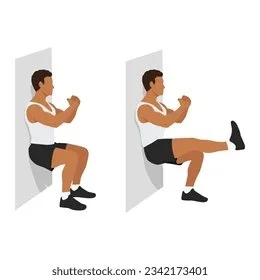
1. Wall Sits (Double-Leg or Single-Leg)
Builds quad and glute endurance essential for long descents.
Hold for 30–60 seconds
Maintain knee alignment and trunk control
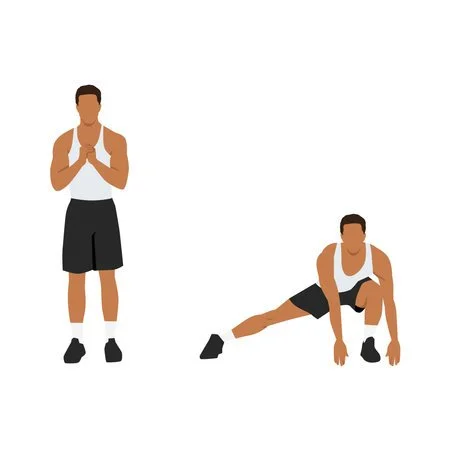
2. Lateral Lunges
Replicates the weight shifting and edging movements used in carving.
Control movement through full range
Ensure knee stays aligned over the foot
3. Single-Leg Multi-Directional Hopping
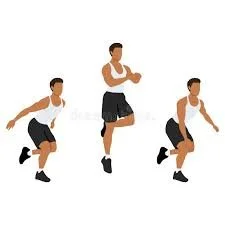
Improves dynamic knee stability needed for variable terrain and sudden direction changes.
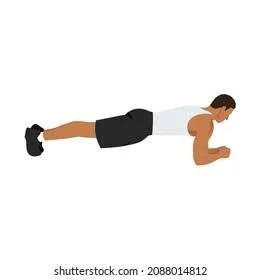
4. Front Planks
Strengthens the deep core muscles to maintain posture and reduce unwanted trunk rotation.
Additional Exercises for Enhanced Ski Performance
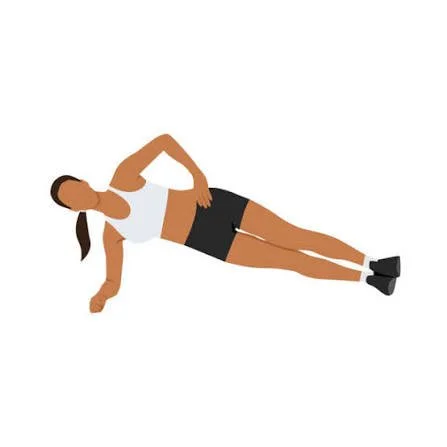
Glute Med Strengthening
Example: side plank with hip lift
- Improves lateral stability and knee control.
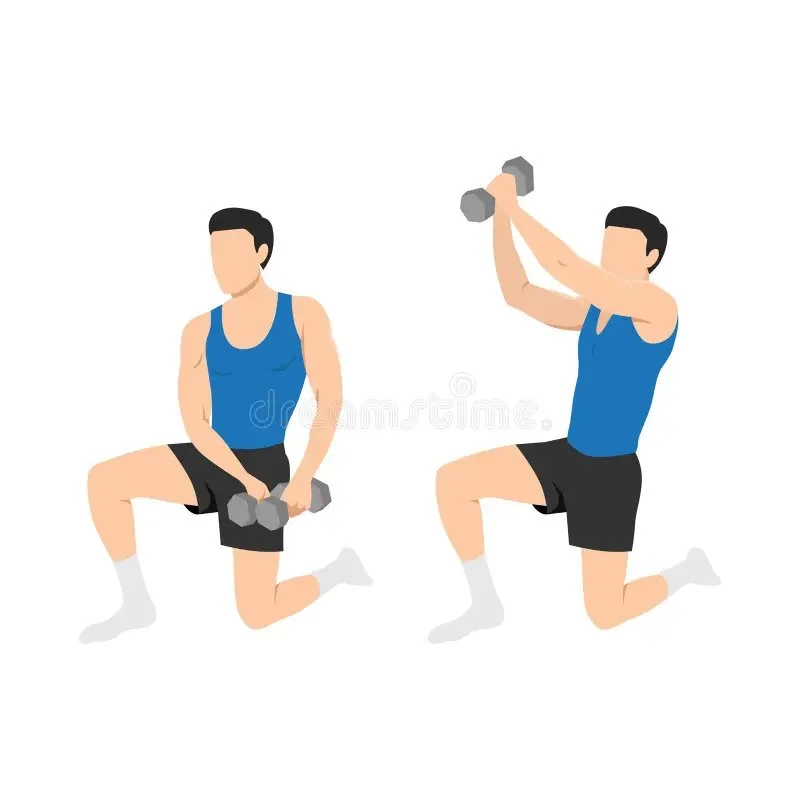
Rotational Core Work
Examples: Pallof press, cable rotations
- Helps maintain torso stability during carving and reduces lower-back strain.
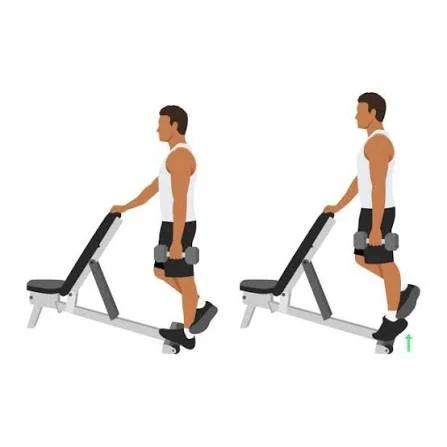
Ankle Mobility & Strength
Examples: calf raises, tibialis raises
- Improves edge control and reduces falls.
Cardiovascular Conditioning
Skiing is endurance-heavy. Recommended options include:
Interval cycling
Rowing
Incline treadmill walking

This prepares you to maintain technique—even late in the ski day.
Pre-existing Injuries or Niggles? Get Checked Before You Go
If you’ve previously experienced:
Knee injuries
Low-back pain
Hip stiffness
Shoulder or wrist issues
Any recurring weakness or instability
This is the ideal time for an assessment.
At The MOVE Clinic, we provide physiotherapy assessments to identify vulnerabilities and create personalised programmes to prepare you for the slopes.
We can help you:
Understand your movement patterns
Improve stability and technique
Build ski-specific strength
Reduce the risk of in-holiday injuries
Sports Massage for Recovery and Performance
Skiing places repeated loads on the legs, hips, and lower back. Sports massage can help:
Reduce muscle tightness
Improve movement quality
Speed up recovery
Reduce post-ski soreness
Ideal both before your trip and afterwards.
Ready to Prepare for Ski Season?
Whether you want a tailored strength programme, help resolving a niggle, or a sports massage before you travel, the team at The MOVE Physiotherapy Clinic is here to help you ski stronger, safer, and with more confidence.
Book an assessment or sports massage today and hit the slopes at your best.